
Introduction
The beauty industry is entering a new era — one defined by technology, personalization, and innovation. As we step into 2025, artificial intelligence (AI) is no longer a futuristic concept but a driving force reshaping how beauty products are created, marketed, and experienced. From AI-powered skin diagnostics to virtual try-ons and smart product recommendations, the integration of technology is redefining how people perceive and practice beauty.
AI is helping brands connect more deeply with consumers, offering precision-based skincare and inclusive beauty solutions that reflect real human diversity. Let’s explore how AI is transforming the beauty industry in 2025 and beyond.
1. Personalized Skincare Through Artificial Intelligence
One of the most revolutionary applications of AI in beauty is personalized skincare. Traditional skincare often relied on general assumptions about skin types — oily, dry, or combination. But in 2025, AI technology takes this personalization to the next level.
Smart apps and beauty devices now use facial recognition, image processing, and machine learning algorithms to analyze skin in real-time. These tools identify fine lines, acne, dryness, and pigmentation, then recommend the best products for individual needs.
For instance, companies like AI Beauty Lab and major skincare brands now offer digital consultations powered by AI, where users simply upload a selfie and receive a full report on their skin’s condition. This innovation saves time, eliminates guesswork, and ensures better skincare outcomes.
2. Smart Beauty Devices for Home Skincare
In 2025, skincare has gone smart — literally. The market for AI-powered beauty gadgets is booming. Devices once found only in dermatology clinics are now compact and available for home use.
Some examples include:
- AI Facial Scanners: Devices that provide instant analysis of your skin’s hydration, elasticity, and pore size.
- LED Therapy Masks: Smart masks that adjust light wavelength based on skin tone and sensitivity.
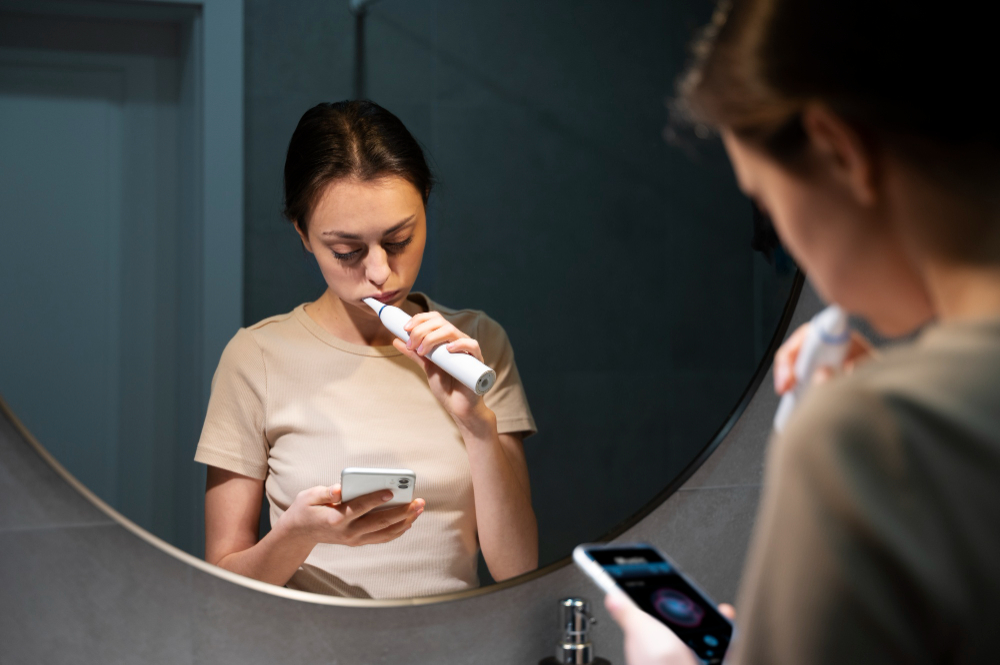
- AI Cleansing Systems: Smart brushes that detect dirt and oil buildup, adjusting vibration intensity for gentle yet effective cleaning.
- Smart Makeup Tools: Foundation devices that scan your skin tone and blend a customized shade on the spot.
These technologies make skincare more efficient, personalized, and interactive. By 2025, smart beauty tools have become essential companions in daily self-care routines.
3. Virtual Try-Ons and AI-Powered Makeup Recommendations
Gone are the days of testing dozens of lipstick shades in stores. With AI and augmented reality (AR), consumers can now experience products virtually before purchasing them.
Brands like L’Oréal, Sephora, and Maybelline have developed AI-powered virtual try-on tools that simulate makeup looks in real time using your phone’s camera. These applications use facial mapping and tone-matching algorithms to offer hyper-realistic previews.
What’s new in 2025 is that these tools have become smarter — they don’t just show how you’ll look in a shade, they recommend colors that match your mood, outfit, or even the time of day. AI helps eliminate product waste, ensures better satisfaction, and supports sustainable shopping.
4. AI in Product Formulation and Research
Behind every beauty product, there’s extensive research — and AI is making that process faster and smarter. In 2025, brands are using machine learning to analyze thousands of ingredients and consumer reviews to develop safer, more effective formulas.
AI systems can now:
- Predict how certain ingredients interact with different skin types.
- Optimize product combinations for maximum results.
- Identify potential allergic reactions or irritants.
This data-driven innovation shortens research cycles and improves product quality. It also supports sustainability by reducing the need for excess testing and waste during product development.
5. AI and Sustainable Beauty Practices
Sustainability is a major concern in 2025, and AI is helping the beauty industry make more eco-friendly choices. Using predictive analytics, brands can forecast product demand accurately, reducing overproduction and waste.
Moreover, AI systems are used to:
- Optimize ingredient sourcing for environmental impact.
- Monitor carbon footprints in supply chains.
- Design smart packaging that tracks usage and encourages recycling.
For example, some companies now use AI-powered sensors that remind customers when products are about to expire or when they’ve used too much product. This smart integration supports both sustainability and customer satisfaction.
6. Inclusive Beauty Powered by AI
Diversity and inclusivity are no longer optional — they’re essential. AI technology in 2025 has made beauty more inclusive than ever before.
Advanced AI algorithms trained on diverse datasets ensure that product recommendations and virtual try-ons work for all skin tones, ages, and genders. Beauty brands are using AI to detect undertones, match foundation shades precisely, and cater to consumers who were often overlooked in traditional product lines.
This inclusivity, powered by technology, allows brands to celebrate global beauty in all its forms, strengthening trust and customer loyalty.
7. AI in Marketing and Customer Experience
AI isn’t just transforming products — it’s reshaping how beauty brands interact with consumers. In 2025, AI chatbots and virtual beauty consultants are providing 24/7 personalized assistance.
These AI tools analyze browsing behavior, past purchases, and product preferences to offer smart recommendations. For instance, if a user buys a moisturizer, the AI can suggest a compatible serum or sunscreen automatically.
Predictive marketing models also help brands design campaigns that truly resonate with customers. Instead of generic ads, consumers now receive relevant content tailored to their unique interests, skin concerns, and values.
8. Ethical AI and Data Privacy in Beauty Tech
As AI becomes deeply integrated into personal care, data privacy has become a key priority. Many AI-driven beauty platforms collect facial images and biometric data to generate insights.
In 2025, leading brands comply with global data protection regulations and Google’s privacy policies, ensuring transparent and ethical AI use. Users must consent before their data is analyzed, and anonymized processing ensures privacy and trust.
Ethical AI guarantees that beauty tech remains beneficial, safe, and respectful of user rights.
9. The Future of AI-Driven Beauty
Looking ahead, the combination of AI, biotechnology, and nanoscience will shape the next phase of beauty innovation. Imagine AI-powered DNA-based skincare, where your genetic makeup determines your ideal skincare formula. Or real-time adaptive makeup, which adjusts automatically to lighting conditions and skin temperature.
AI Beauty Labs and smart skincare ecosystems are building this future — a world where beauty meets precision, sustainability, and inclusivity.
Conclusion
In 2025, artificial intelligence has completely redefined the beauty industry. From personalized skincare and virtual consultations to ethical data practices and sustainability, AI is at the heart of every major beauty transformation.
This technological revolution is not about replacing human creativity — it’s about enhancing it. AI gives consumers deeper insights into their skin, more efficient solutions, and a more inclusive vision of beauty.
The future of beauty is smart, sustainable, and personal — and AI is the invisible hand shaping it all.